Your cart is currently empty.
Continue Shopping

Fashion Inspiration
Dropped-Waist Dresses Defining 2026’s Fashion Silhouette
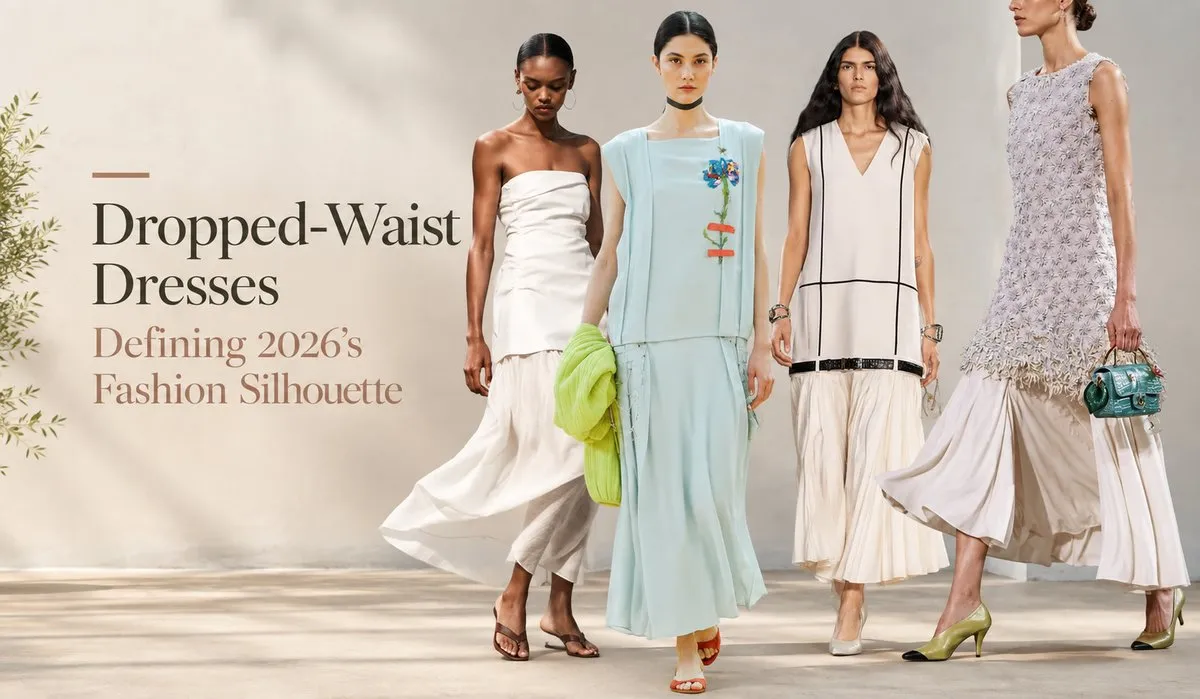
How Dropped-Waist Dresses Are Changing the Shape of 2026 Fashion
In 2026 the waistline will be lowered. The dropped waist style is returning to the new season's fashion trend as the waist line is placed below the natural waistline. For one of the more noticeable dress trends of the year, the silhouette has been spotted in minis, midis, and even long dresses.
British Vogue has listed drop-waist dresses as one of the dress trends that will define 2026 as well as the autumn/winter line. That is a trend that is especially applicable in the British wardrobe as the season transitions from late summer to autumn.
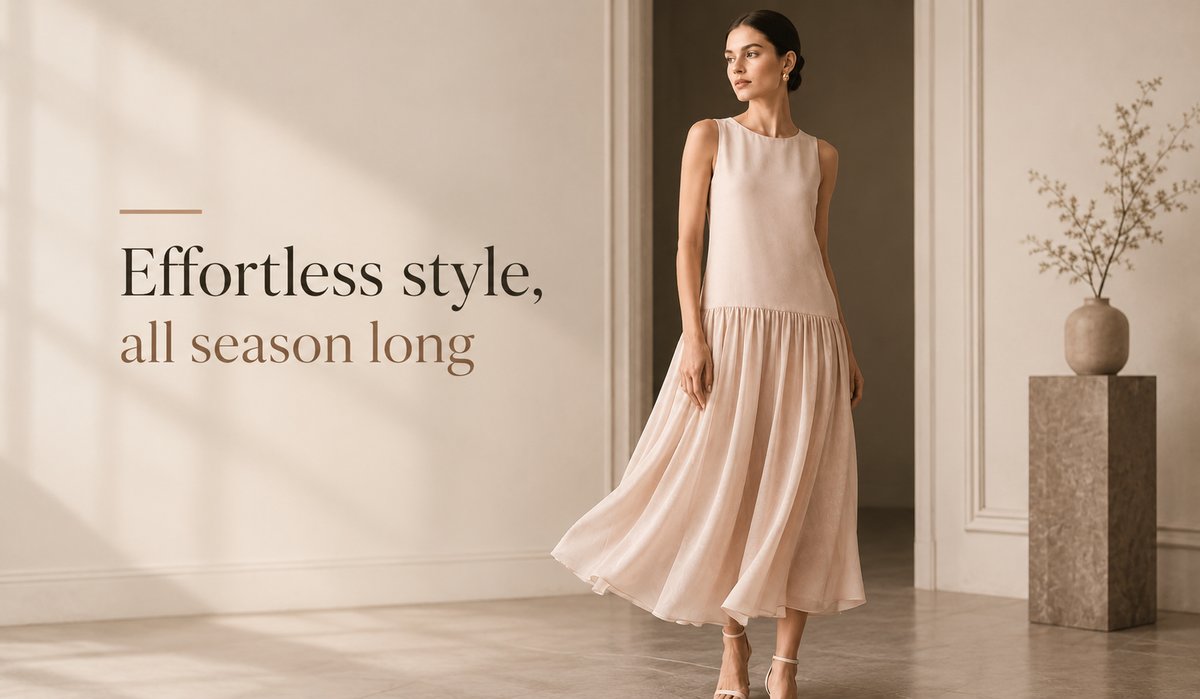
The Dress Shape Behind the 2026 Trend
The best way to spot a dropped waist is to check the beginning of the skirt.
The skirt of a natural waist dress begins at the narrowest place on the body. If the waist drops, that point goes lower, toward the hips and the bodice extends further before the skirt starts.
| Dress shape | Waist position | Overall proportion |
|---|---|---|
| Empire | Just below the bust | Higher waist and longer skirt |
| Natural waist | Around the narrowest point | Defined waist |
| Dropped waist | Below the natural waist | Longer bodice and lower skirt start |
The rest of the dress can then change considerably. A skirt might fall straight from the lower seam, open into pleats, gather softly or become fuller towards the hem.
The 1920s Connection Is Still Visible
The drop waist is clearly tied to the 1920s era when dress lines became straighter and often the waist line was not necessarily the primary point of definition.
That is why the silhouette can immediately bring flapper-era dressing to mind. But the current version does not depend on the full look of the period.
A 2026 dress can use the lower waist with a fitted bodice, a relaxed upper section or a more structured shape. The skirt can also be short, midi or long rather than following the shorter lengths associated with many 1920s dresses.
The historical reference therefore remains easy to recognise, but it is no longer the complete look. The lower waist position is the part that has carried into current fashion.
The Shift Towards Lower Waistlines
The trend is occurring as part of a growing trend for dropping proportions in womenswear. Low-rise skirts and trousers were also spotted in 2026 collections, bringing a focus back to the waistline's placement in various pieces of clothing.
For dresses, designers are using that lower position in several ways:
- Relaxed proportions: The longer bodice creates a different balance from the fitted waistlines that have dominated many recent dress shapes.
- Mixed construction: A dropped waist can sit below a fitted, loose or structured bodice rather than belonging to one particular style.
- Changing skirt volume: Straight skirts keep the shape understated, while pleats, gathers and fuller skirts make the lower seam more noticeable.
- Different levels of formality: The same proportion can appear in simple daytime dresses as well as more considered occasionwear.
Mini, Midi or Maxi? The Length Changes the Look
Once the waist has moved lower, the length of the dress becomes important. The same construction can look quite different depending on where the hem finishes.
| Length | How the proportion changes |
|---|---|
| Mini | The shorter skirt makes the lower waist more noticeable and gives the dress a sharper overall proportion. |
| Midi | The longer skirt balances the extended bodice and gives the shape a more understated appearance. |
| Midaxi | The additional length creates a longer line, allowing the dropped waist to sit further away from the hem. |
| Maxi | The skirt becomes a stronger part of the overall shape, particularly when the fabric falls or moves freely. |
The dropped-waist silhouette is crucial for the 2026 trend, as it is not restricted by a specific hemline. A short dress can make the proportion feel more obvious, while a midi or maxi can make the same construction look quieter.
From Late Summer Into British Autumn
The time frame of the trend is suited for the wardrobe transition from September on in the British wardrobe. Lightweight summer dropped-waist dresses can be carried over to fall with other fabrics, sleeves and lengths.
September
Lighter cotton, linen and jersey dresses are still suitable in early fall as the afternoons are still warm. A shorter sleeve or lighter layer will keep the outfit closer to summer-dressing.
October
As winter approaches, midi and midaxi dresses begin to look suitable. Jackets, knitwear and boots can be added to go with the main shape of the dress without altering it.
November and beyond
Heavier fabrics, longer sleeves and longer hems create a more fall like effect. Coats and warmer layers are also part of the overall look.
It's not so much about the change of the dress, but of the way the surrounding pieces and fabrics react to the seasons.
Where Dropped-Waist Dresses Are Showing Up
The trend is appearing across different types of dressing rather than being restricted to one occasion.
Wedding guest dressing
Midi and maxi versions work well with the glitzy fabrics used to make wedding guest dresses. With less decoration, the lower waist offers an alternative proportion.
Daytime events
Lighter fabrics and softer skirts make the shape suitable for garden parties, lunches and other daytime occasions. Colour and fabric can keep the look seasonal without changing the basic construction.
City and weekend dressing
Cotton, jersey and other casual fabrics give dropped-waist dresses a more everyday direction. In these versions, the shape feels less connected to formal vintage dressing.
Evening and partywear
The lower waist is finished with satin, velvet, embellishment and slightly longer skirts. This proportion change is more noticeable when paired with a more structured fabric or full skirt.
What Is Different About Dropped-Waist Dresses in 2026?
The biggest change is the range of ways the lower waist is being used.
Earlier interpretations are strongly associated with one recognisable period shape. In 2026, designers are using the same waist position across different dress lengths, fabrics and levels of structure.
It also fits with the wider interest in changing proportions seen across current womenswear. The lower waist is being treated as a design choice in its own right rather than as a requirement to recreate a particular decade.
Are Dropped-Waist Dresses Here to Stay in 2026?
Dropped-waist dresses have moved beyond a niche reference to 1920s fashion. They have appeared across 2026 collections in different lengths, fabrics and shapes, making them a recognisable part of this year's dress trends.
Their presence also sits alongside the return of lower waistlines elsewhere in womenswear, from skirts to trousers. That gives the trend a wider context than a simple revival of a historical dress shape.
Whether the dropped waist remains prominent beyond 2026 will depend on how designers continue to develop it. For now, it is one of the clearest ways designers are changing the proportions of the modern dress, with autumn bringing longer lengths, richer fabrics and more layered versions of the look.

Weekend Discount Coupon

Secure Payment Methods

Track Your Package
